
We don't invent resilience. We recover it.
Atavus develops climate-resilient crops by translating ancestral genetic adaptations into elite hybrids built for heat, drought, and the realities of modern row-crop production.
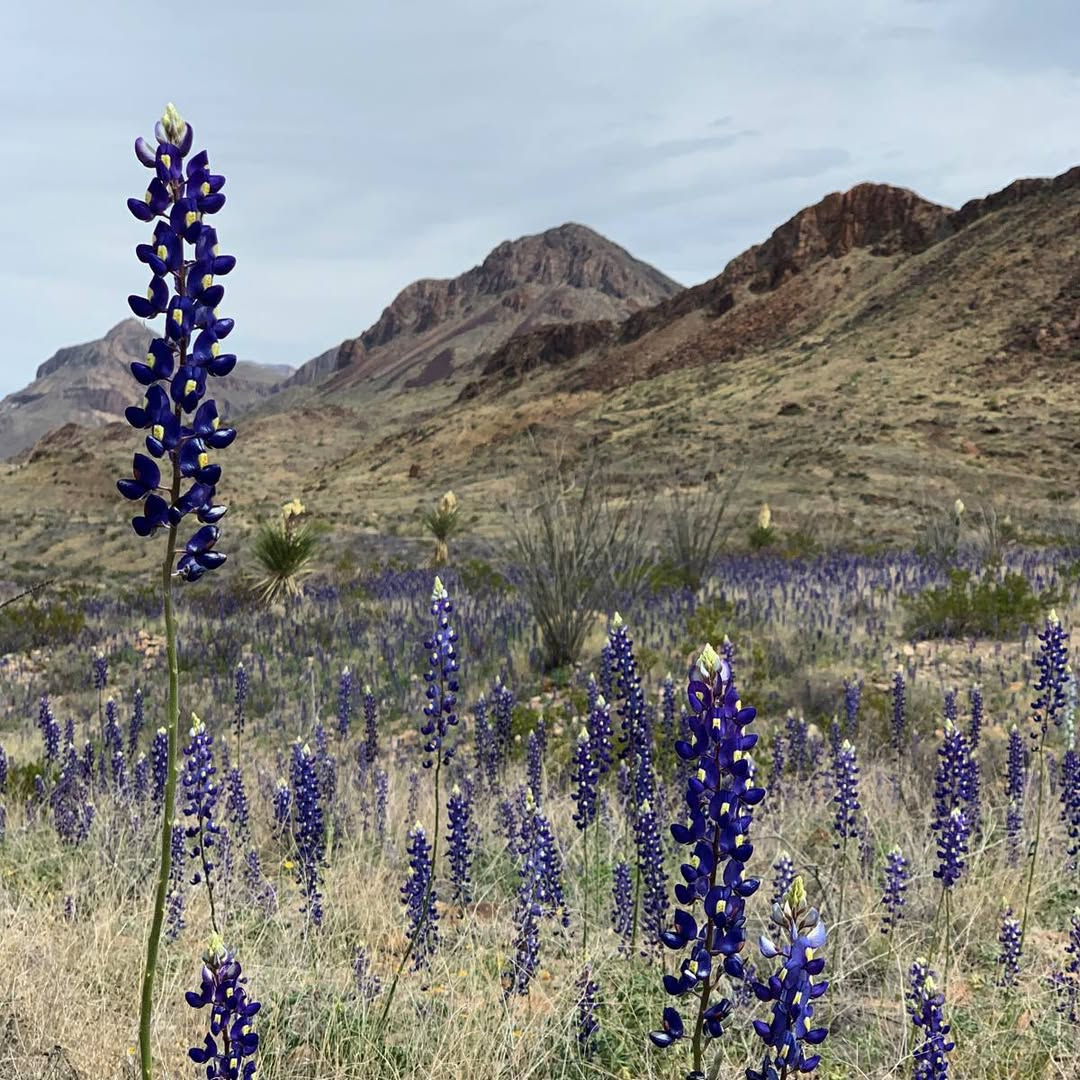
Water is tighter. Heat is heavier. The input economics that defined a generation of row-crop production have reset. Protein rotations remain concentrated in a narrow set of crops backed by mature supply chains — fine until climate stress exposes how little genetic slack is left on the shelf. The gap between what growers need and what is available on the seed shelf is now wide enough to build a company in.
Species that already know how to hold yield under heat, drought, and poor fertility — including hundreds of native Lupinus forms never fully mined by commodity breeding.
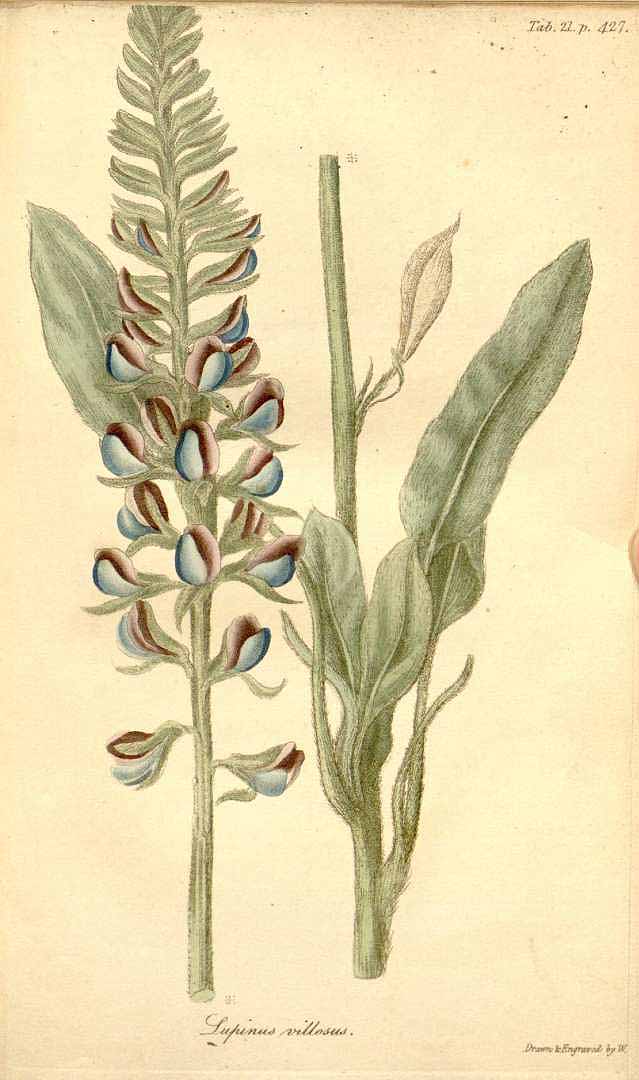
We identify, characterize, and forward-breed the genetic adaptations that matter for the conditions growers actually face today.
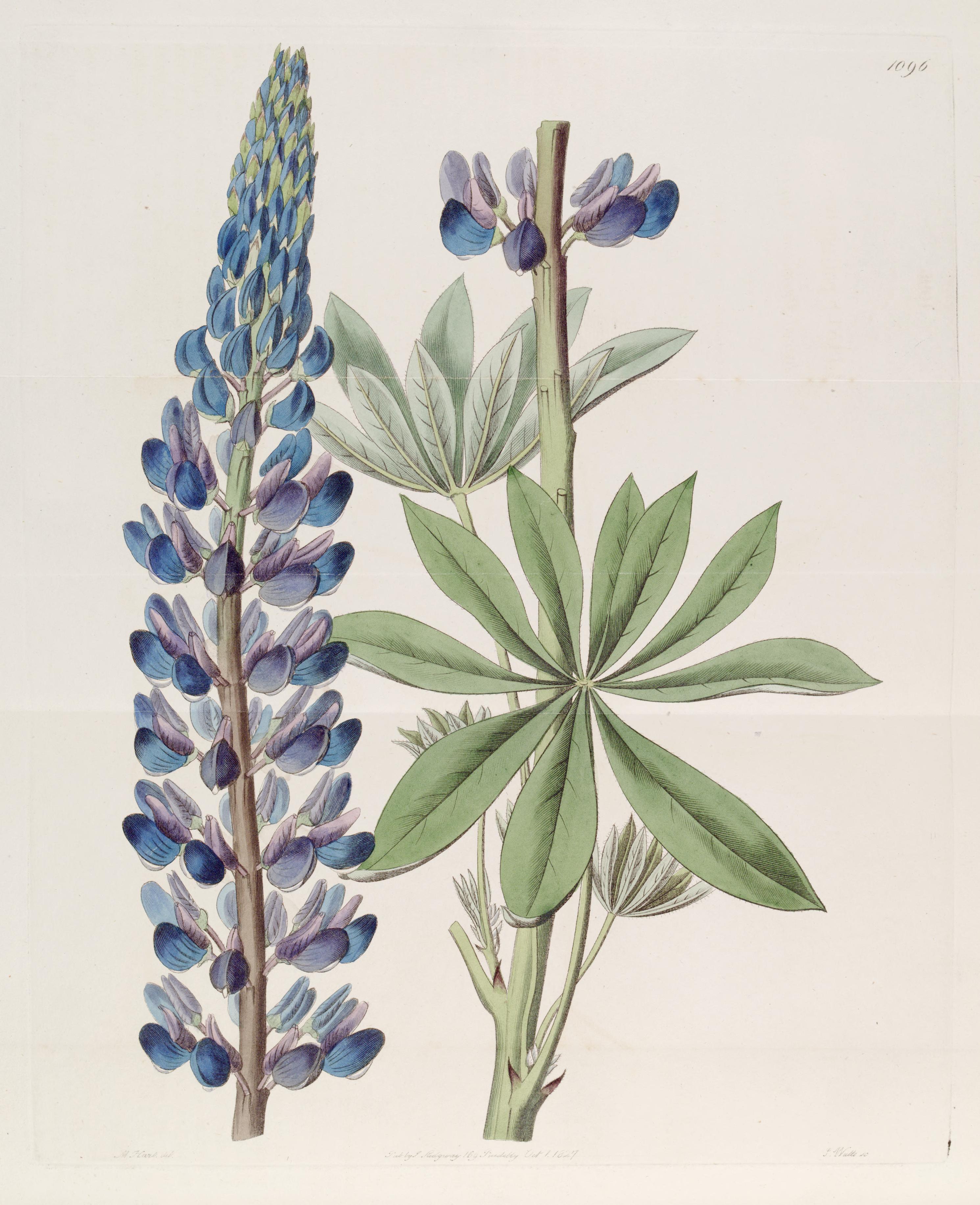
Field-ready genetics built alongside standardized agronomy and aligned end markets — so resilience arrives as a working product, not a research claim.
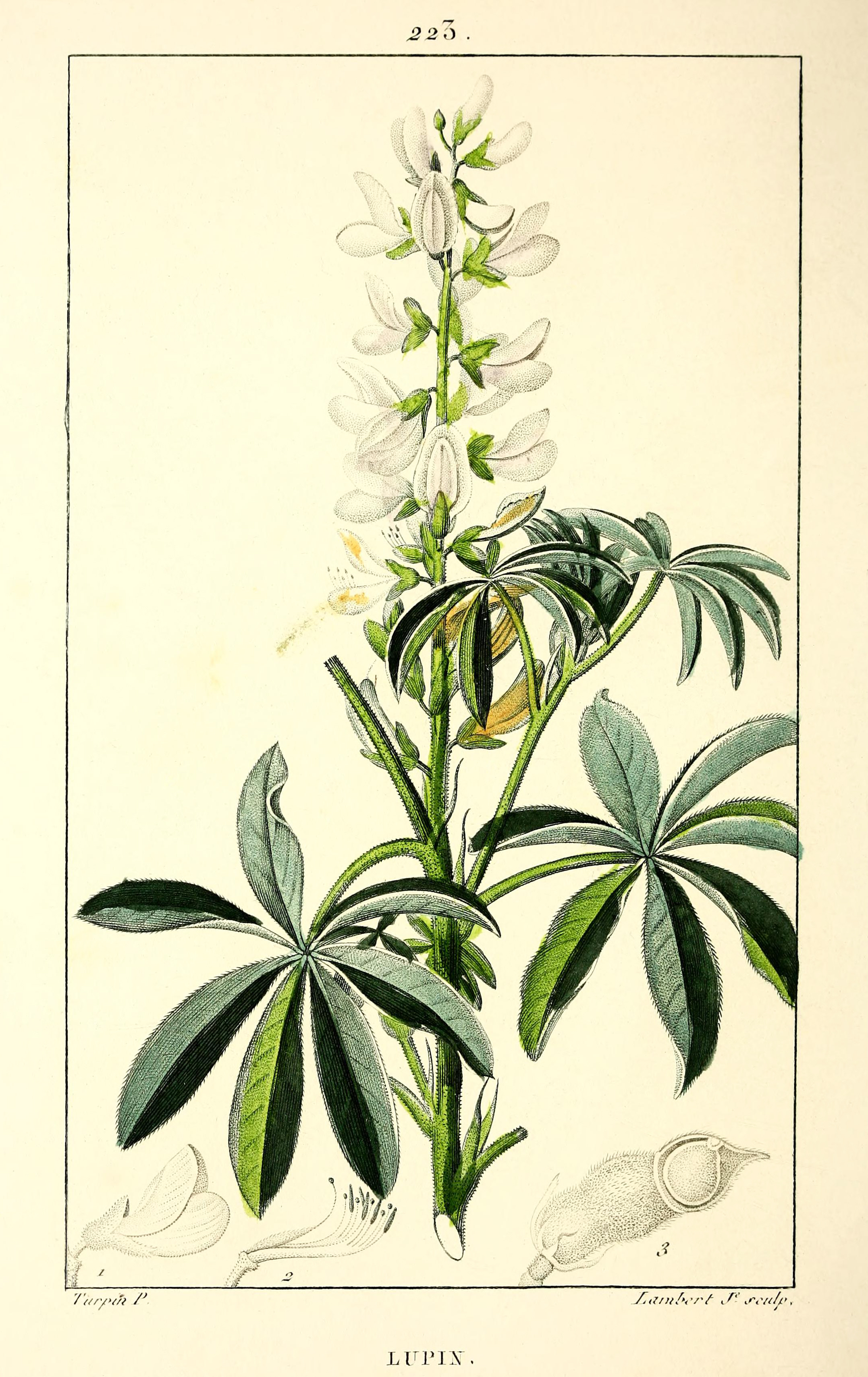
Field-ready genetics
Traits recovered, refined, and brought forward from species that already know how to hold yield under heat, drought, and poor fertility.
Standardized agronomy
Production protocols engineered alongside the germplasm, so performance in a research plot survives the journey to a working field.
Aligned end markets
Processor and buyer relationships built before seed leaves our hands, so grower risk is not carried alone.
A high-protein, nitrogen-fixing legume with strong rotational value and one of the most underleveraged domestically producible protein sources in North America.
- Low-alkaloid sweet types — protein without classic debittering
- High-protein grain, 32–42% on a dry basis
- Biological nitrogen fixation, cutting synthetic N demand in the rotation
- Strong rotational fit with wheat, barley, and canola systems
- Domestic substitute for imported soy and pea protein streams
We are talking with growers about pilots, processors about offtake, and partners about what we can build together. Reach out.